27 Mar 2026
Laneparlor represents a thoughtful approach to creating inviting spaces that balance function and atmosphere. In homes today, these setups often serve as central gathering points where daily routines intersect with moments of relaxation and connection. Understanding its role requires looking at how it adapts to varied lifestyles without losing its core appeal.
Historical Influences on Laneparlor
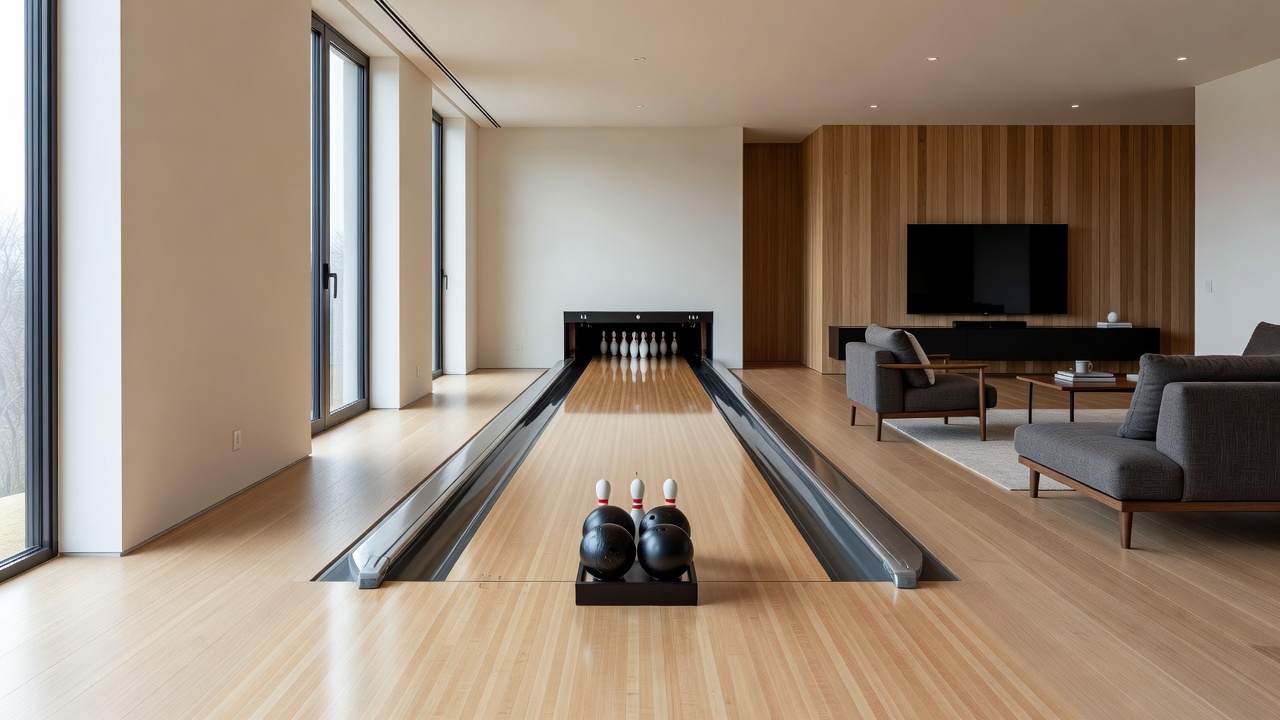
Traditional parlor designs drew from Victorian-era preferences for dedicated rooms used for social interaction and leisure. Over time, these concepts evolved to suit smaller living areas common in modern housing. Laneparlor incorporates elements like comfortable seating arrangements and subtle lighting that echo those origins while meeting current needs for versatility. Materials such as wood and fabric remain popular because they age gracefully and complement diverse color schemes. This continuity allows homeowners to reference heritage without replicating outdated layouts exactly.
Practical Integration Today
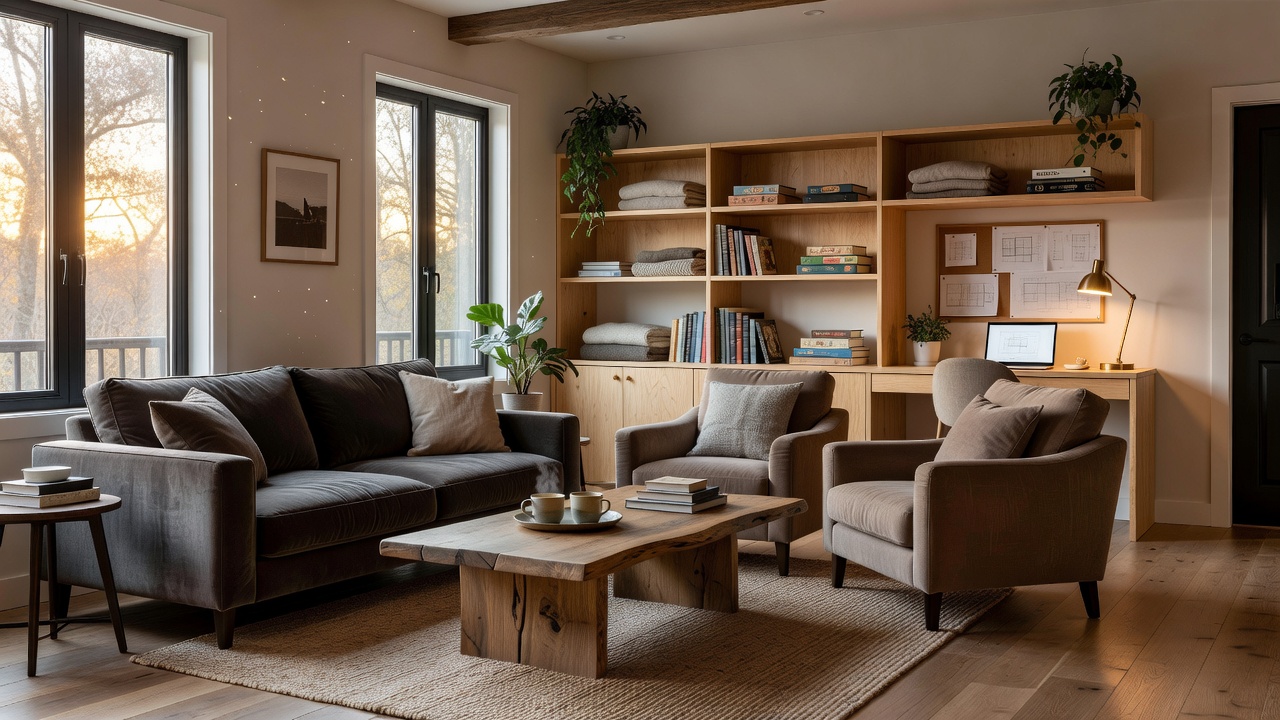
Placing Laneparlor features into contemporary homes starts with assessing available space and primary uses. Many choose modular pieces that can shift between casual family time and more formal occasions. Storage solutions built into the design help maintain order, while neutral tones create a foundation for personal accents. Lighting plays a key role, with options ranging from overhead fixtures to task lamps that adjust for reading or conversation. Such choices ensure the area supports both productivity and downtime, fitting seamlessly into apartments or larger residences alike.
Adapting to Changing Needs
As household dynamics shift, Laneparlor setups demonstrate flexibility through simple updates rather than full renovations. Adding textiles or rearranging furniture can refresh the feel without major expense. In contexts where remote work occurs nearby, sound-dampening elements and defined boundaries become useful additions. This adaptability keeps the concept relevant across decades, encouraging users to view it as an evolving framework instead of a fixed style. Ultimately, successful applications prioritize comfort and usability over strict adherence to any single trend.